
What Are Multivitamins and Minerals? How Do They Support Your Everyday Wellness?
In our busy lives, maintaining a balanced diet every day can

Women’s nutritional needs can change throughout life. From adolescence and the reproductive years to pregnancy, breastfeeding and later adulthood, the body requires a variety of vitamins and minerals to support normal health and everyday wellbeing. A nutritious, varied diet is the foundation, but women’s nutrition can sometimes benefit from additional nutritional support when dietary intake does not meet individual needs.
Understanding important nutrients such as iron, calcium, vitamin D, vitamin B12, folate, zinc and DHA can help women make more informed decisions about their wellness routine. Vitamins for women are not about taking as many supplements as possible—they are about understanding nutritional needs and choosing appropriate support when necessary.
A healthy diet should provide a wide range of nutrients through vegetables, fruits, whole grains, pulses, nuts, seeds, dairy or suitable alternatives, and quality protein sources. The World Health Organization emphasizes adequacy, balance, moderation and dietary diversity as key principles of healthy eating. World Health Organization
However, nutritional requirements can vary based on age, menstrual status, dietary pattern, pregnancy, breastfeeding, activity level and individual health circumstances.
This makes women’s wellness a broader concept than simply following a diet. It includes nutrition, hydration, physical activity, sleep, stress management and appropriate healthcare.
Iron deserves particular attention in women’s nutrition, especially during the reproductive years. The body uses iron to make haemoglobin, a protein in red blood cells that carries oxygen throughout the body. ODS
Women who menstruate can lose iron through menstrual bleeding, which is one reason iron intake is an important consideration.
Good food sources include lentils, beans, spinach, fortified foods, nuts, meat, poultry and seafood. Vitamin C-rich foods can also improve absorption of non-heme iron from plant-based foods. ODS
Iron supplementation should not be treated as something every woman automatically needs. The appropriate amount depends on individual circumstances, and excessive iron can cause unwanted effects. If you are concerned about iron deficiency, discussing testing and supplementation with a healthcare professional is a sensible step.
Calcium is widely recognized for its role in maintaining bones and teeth, but it also contributes to normal muscle function, nerve transmission and other physiological processes. Vitamin D helps the body absorb calcium.
Calcium-rich foods include milk, yogurt, cheese, calcium-fortified alternatives and certain green vegetables.
Getting sufficient calcium throughout life is particularly relevant because maintaining healthy bones is a long-term process. A varied diet can provide much of the calcium many people need, while supplements may be appropriate for some individuals based on their dietary intake and professional advice.
Vitamin D is another nutrient worth understanding. It supports calcium absorption and contributes to normal bone health, while also having roles in normal immune and neuromuscular function.
Vitamin D can be obtained through certain foods and supplements, and the body can also produce it following exposure to sunlight.
However, vitamin D requirements and supplementation needs differ from person to person. Instead of automatically taking high-dose vitamin D, women should consider their diet, lifestyle and, where appropriate, professional advice or testing.
Vitamin B12 is involved in several important normal processes, including red blood cell formation and nervous system function. It is naturally present mainly in animal-derived foods, while fortified foods and supplements can provide B12 for people who consume limited amounts of these foods.
Women following vegetarian or vegan diets may need to pay particular attention to reliable sources of vitamin B12.
A well-planned diet can provide many essential nutrients, but women’s health supplements may sometimes be useful when specific nutritional gaps exist.
Folate is especially important for women who may become pregnant. Adequate folate before and during early pregnancy is associated with reducing the risk of neural tube defects. The NIH notes that women and adolescents capable of becoming pregnant should obtain adequate folate, including 400 mcg of folic acid daily from supplements and/or fortified foods in addition to folate from a varied diet.
Pregnancy also changes nutritional requirements. Nutrients including folate, iron, iodine, calcium, vitamin D, vitamin B12, zinc and omega-3 fatty acids are among those that require particular attention during pregnancy.
If you are planning pregnancy, pregnant or breastfeeding, speak with your doctor or qualified healthcare professional before choosing a supplement.
Zinc is an essential mineral involved in numerous normal body processes. It contributes to normal immune function and helps support normal cellular processes.
Sources include meat, seafood, dairy products, beans, nuts and seeds. The amount needed varies by age and life stage, so dietary intake should always be considered when choosing vitamins for women or mineral supplements.
DHA, or docosahexaenoic acid, is an omega-3 fatty acid found in foods such as oily fish and certain fortified products or supplements.
DHA is particularly relevant when discussing nutrition during pregnancy and early development. However, the appropriate source and amount depend on individual circumstances, so women who are pregnant or planning pregnancy should discuss supplementation with their healthcare professional.
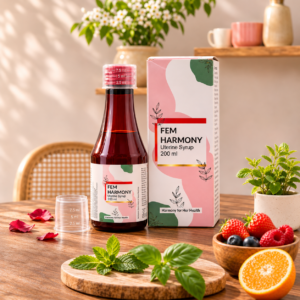
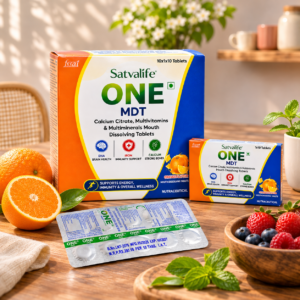
Satva Life’s product range includes nutritional products designed to complement everyday wellness routines. Two products particularly relevant to women’s nutritional conversations are FEM Harmony Uterine Syrup and Satvalife ONE MDT.
FEM Harmony Uterine Syrup is a 200 ml Ayurvedic proprietary medicine marketed by Satva Life. The product is positioned around women’s wellness and is designed as part of a women’s health-focused product range.
When presenting an Ayurvedic product on a website, it is important to communicate its intended use according to its approved product information and avoid promising that it can diagnose, treat or cure a medical condition.
Satvalife ONE MDT is a mouth-dissolving nutritional supplement containing calcium, multivitamins and multiminerals. Based on the product information provided by Satva Life, each tablet contains nutrients including calcium, DHA, iron, L-methylfolate, vitamin B12, vitamin B6, vitamin C, vitamin D3, vitamin K2-7, zinc, magnesium, iodine and selenium.
This combination makes ONE MDT relevant to conversations around daily nutritional supplements, particularly for people looking for a convenient way to complement their nutritional intake.
The product should be used according to its label directions and individual nutritional requirements.
There is no single nutrition plan that works for every woman.
Growing bodies require adequate nutrition to support normal development. Iron, calcium, vitamin D, protein and other nutrients are important parts of a varied diet.
Menstruating women may need to pay particular attention to iron intake. WHO notes that iron and folic acid are important considerations for women of reproductive age, particularly in contexts where nutritional deficiencies are common.
Pregnancy brings increased nutritional considerations. Folate, iron, iodine, calcium, vitamin D, B12 and other nutrients become particularly important.
As women age, maintaining adequate calcium, vitamin D, B12, protein and other nutrients becomes an important part of supporting overall nutrition and healthy ageing.
The word “supplement” is important. Women’s health supplements should complement a balanced diet rather than replace nutritious foods.
Before adding a supplement, consider your existing diet, other supplements you take, medications and individual health needs. Taking multiple products containing the same vitamins or minerals can result in unnecessarily high intake. The NIH recommends checking supplement labels and avoiding doubling up unless advised by a healthcare professional.
Good women’s wellness starts with simple, consistent habits: eat a varied diet, stay hydrated, remain physically active, get adequate sleep and pay attention to your body’s changing nutritional needs.
Understanding women’s nutrition can help you make better-informed choices about food and vitamins for women. Products such as Satva Life’s FEM Harmony and ONE MDT can be explored as part of a broader wellness approach, according to their product information and appropriate professional guidance.
If you are pregnant, breastfeeding, planning pregnancy, taking medication, managing a health condition, or concerned about a possible nutrient deficiency, consult a qualified healthcare professional before starting or changing any supplement.
In our busy lives, maintaining a balanced diet every day can

Staying hydrated is one of the simplest things you can do
Join our mailing list for botanical insights, seasonal rituals, and 10% off your first order.